
Explora Torres del Paine: Part Two of My Chilean Scouting Trip
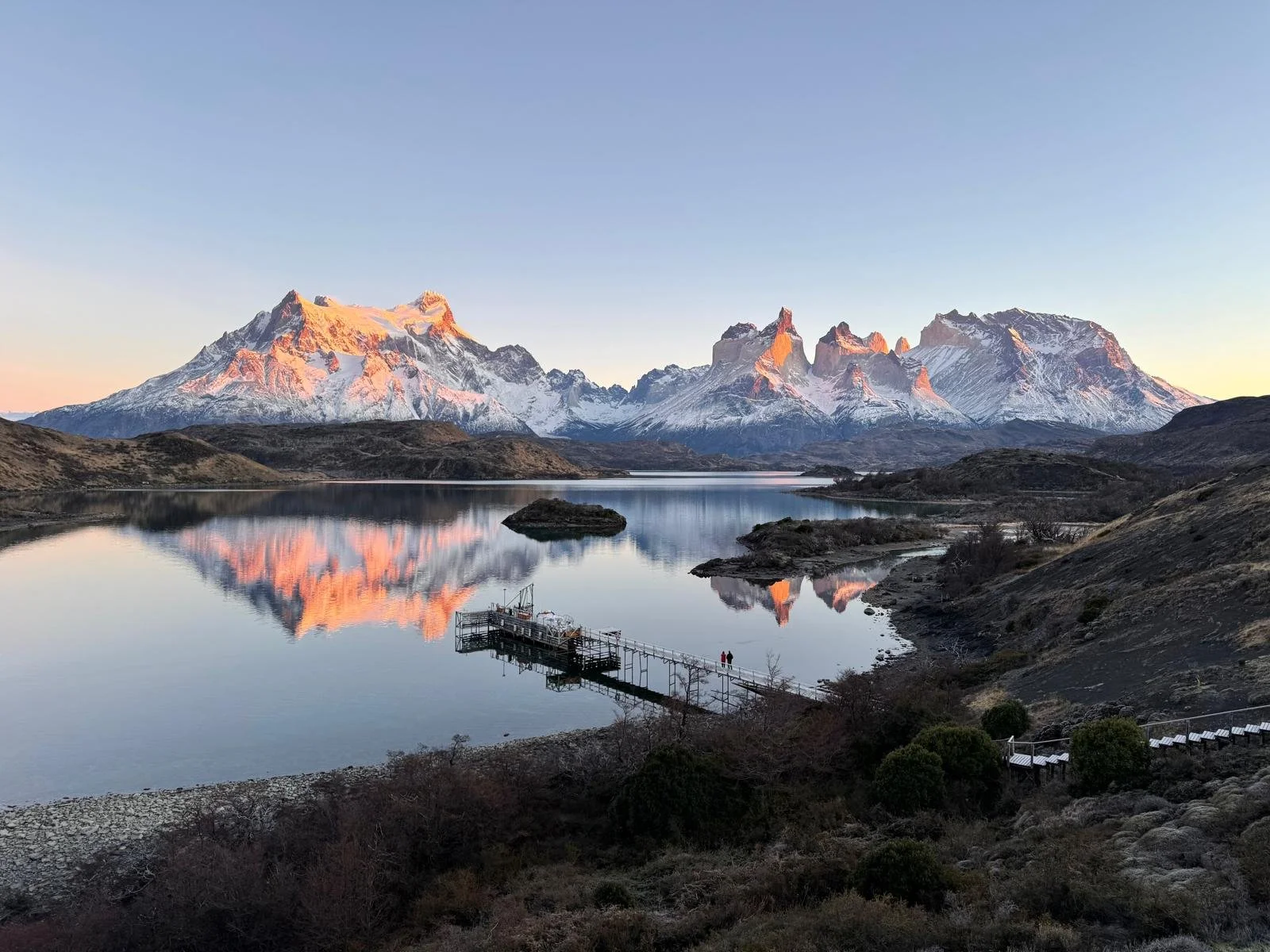
Sunrise view from Explora Torres del Paine
On to part two of my incredible adventure with Explora, this time in the incomparably beautiful Torres del Paine in Chilean Patagonia! Hopefully you've already read part one, where I recapped my visit to the Atacama Desert. Here's a quick refresher on traveling to Chile and with Explora:
Getting there: Budget the time. Overnight flights from the US to Santiago run 7–10 hours. The time difference is minimal, but how quickly you hit the ground running depends on how well you sleep on a plane.
The Explora difference: Explora is an expedition company that happens to operate lodges. Guides meet you on arrival, get a read on your interests and fitness level, and will often have you out on a hike that same day.
The guides are spectacular: Of the 80–200 people who apply each season, Explora takes about eight, then trains them for at least six months on local flora, fauna, geology, archaeology, and history. It's an exceptional program.
Small groups, big conversations: Explorations are capped at eight guests, and some can be privatized for an extra cost. I met fascinating people every day and came home feeling like a more informed citizen of the world.
About Torres del Paine
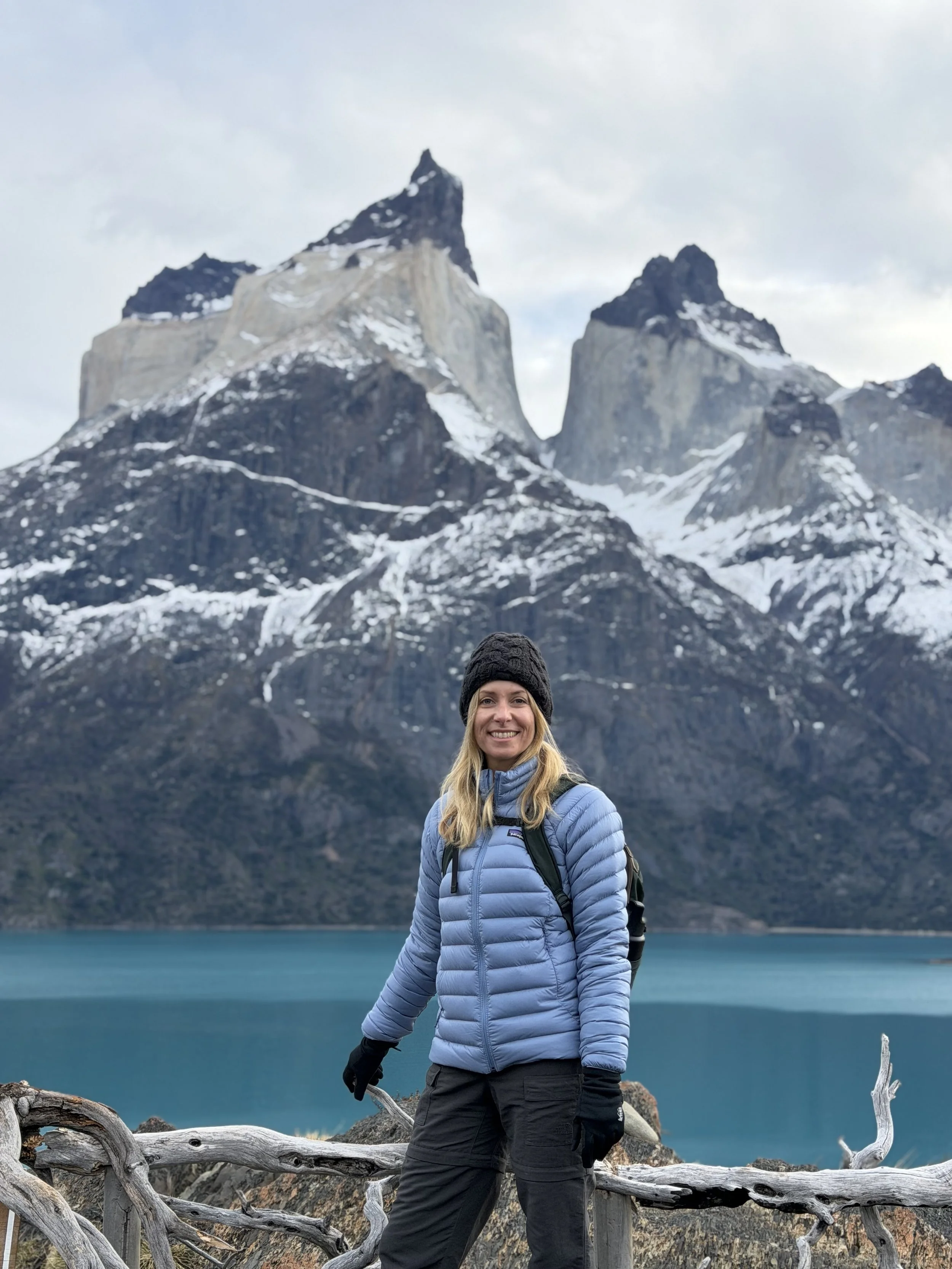
Time for some science. If the Atacama’s claim to fame is absence, Torres del Paine’s is drama. The park's famous granite towers and the neighboring Cuernos ("horns") began as magma that pushed upward and cooled deep underground roughly 12 million years ago. Over time, glaciers carved away the softer rock around them. That's why the Cuernos look two-toned: dark sedimentary caps sit on top of pale granite. The glaciers haven't finished their work.
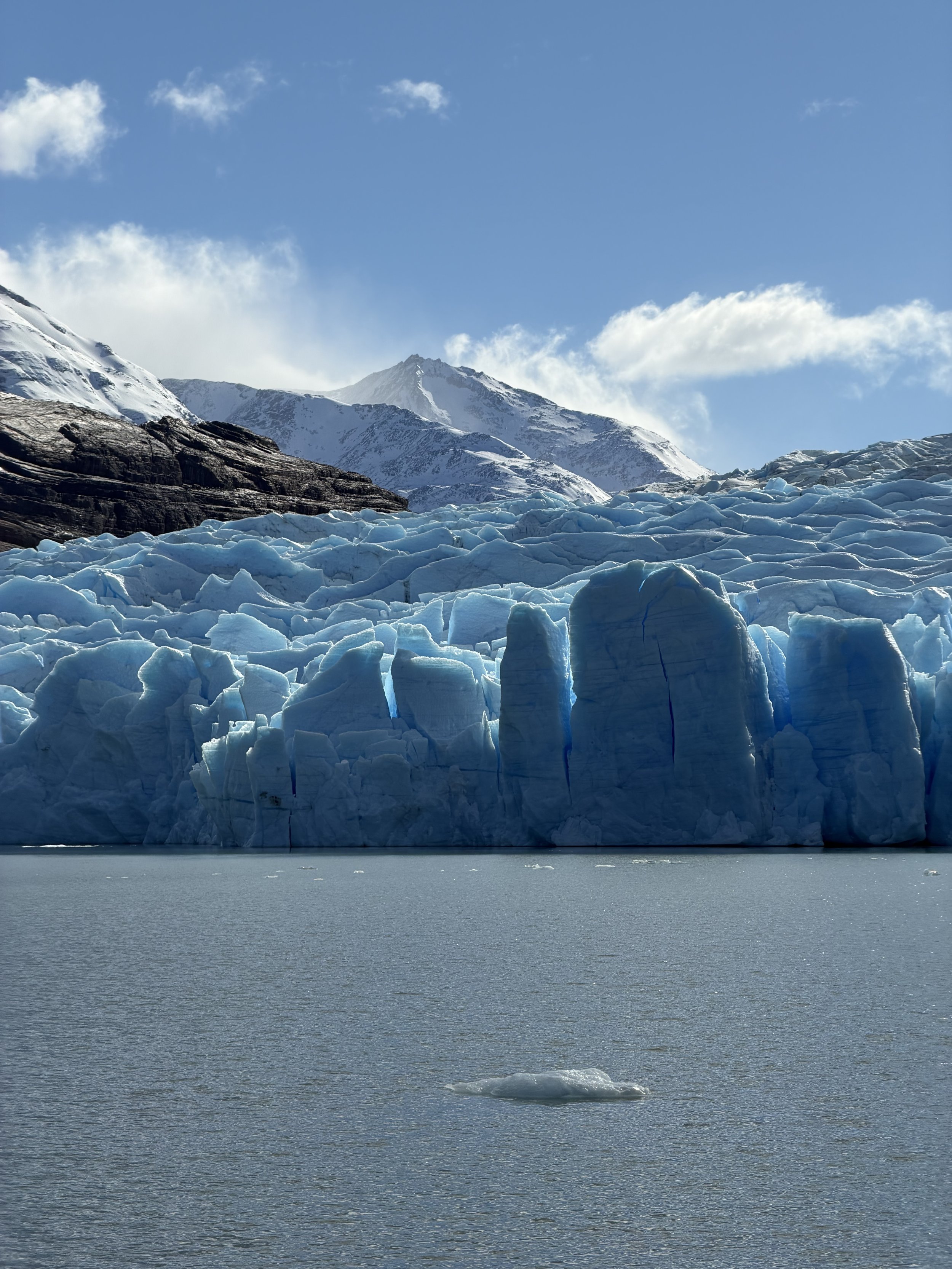
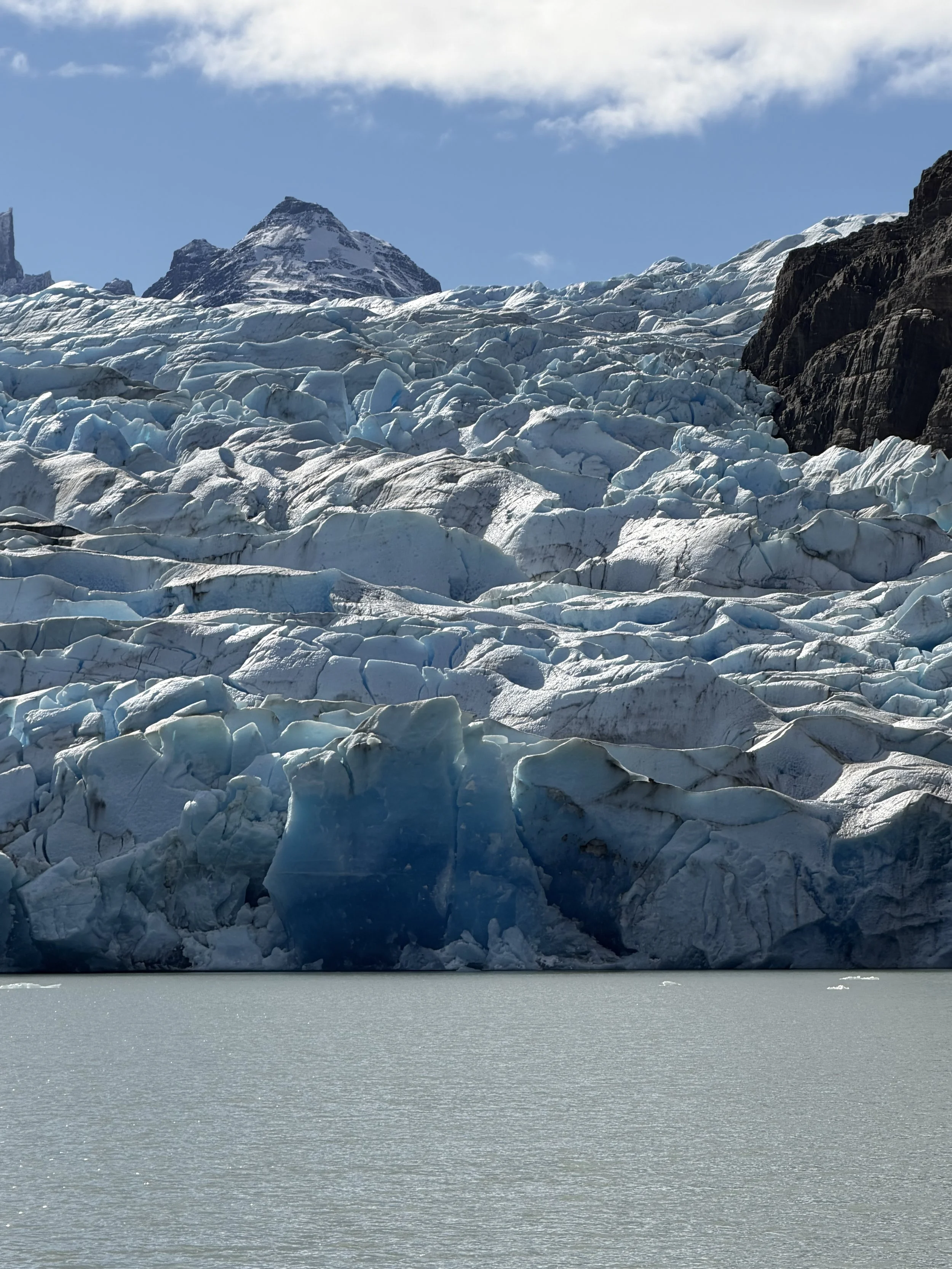
The park borders the Southern Patagonian Ice Field, the largest expanse of ice outside the polar regions, and Grey Glacier still calves icebergs into the lake below. The lakes' almost unreal turquoise comes from "glacial flour," fine rock sediment that the ice grinds up and leaves suspended in the water. Even the name is descriptive: paine is generally understood to mean "blue" in the language of the Tehuelche, the region's Indigenous people.
The Lodge
Explora's Torres del Paine lodge is arguably its most iconic, and it has an incredible location inside the national park. Hotels are no longer allowed to build in the park, so this location is a huge advantage. The lodge just reopened on September 1 after a comprehensive renovation, and while a few odds and ends were still being finished during our stay, it was in beautiful shape.
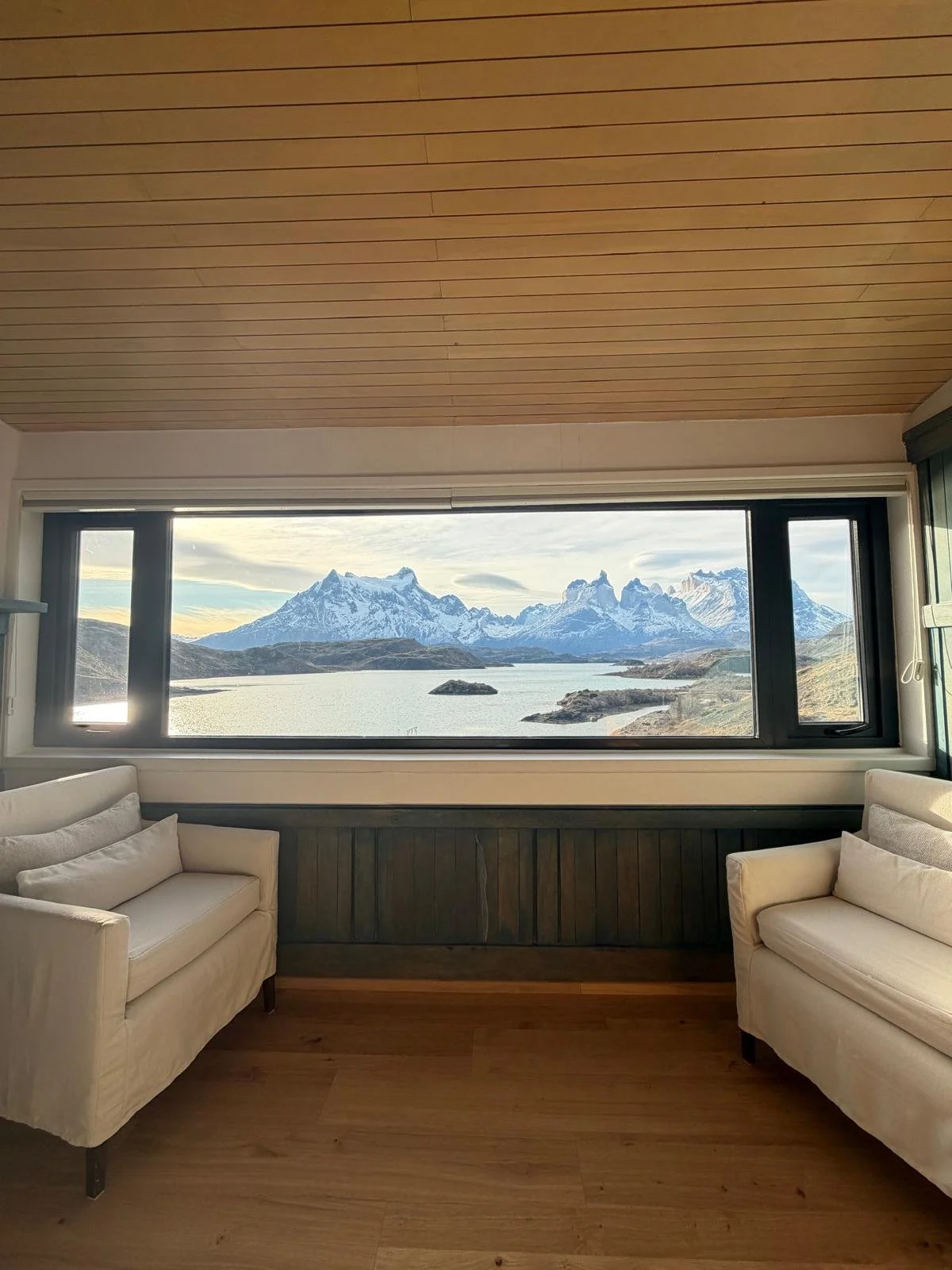
View from the newly renovated rooms
Pack Accordingly
Before departing, our host sent a list of recommended gear, and I used EVERY.SINGLE.THING on it: a waterproof Gore-Tex outer layer (essential, and it saved me on one rough weather day), a down layer, rain pants, upper and lower base layers, trekking pants, hat, gloves, neck gaiter, hiking boots, and hiking socks. They say you can experience four seasons in one day in Patagonia, and I can confirm.
Hiking
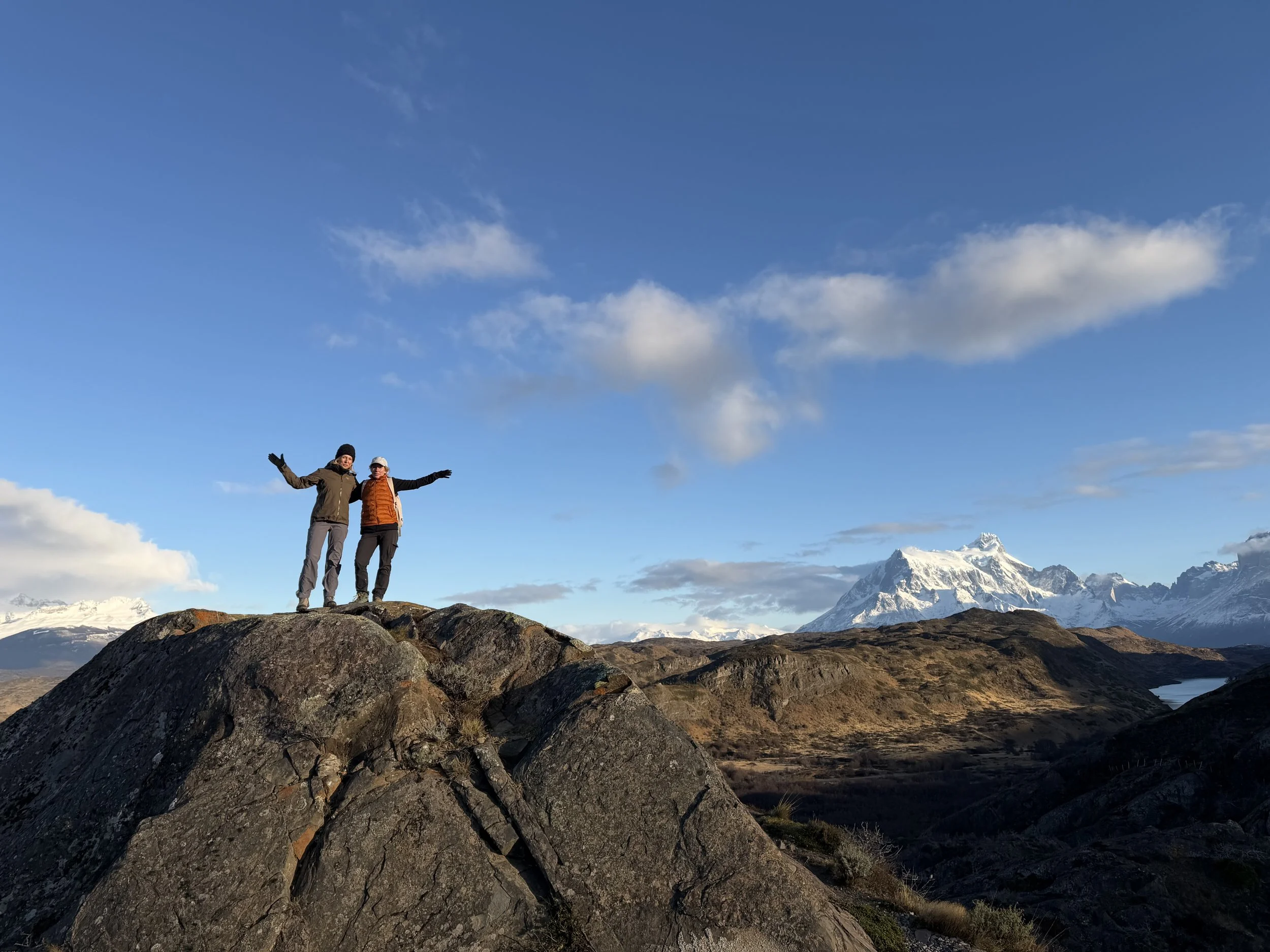
Hiking is the name of the game here, with options for every ability level. Ours ranged from manageable walks to moderate climbs with some real huffing and puffing. The most adventurous in our group completed the famed Base of the Towers hike, an iconic Torres del Paine trek and a tremendous experience if your fitness and knees can handle it. I say this secondhand because I didn't do it! But the pictures were amazing. Then again, the same could be said for every hike we took.
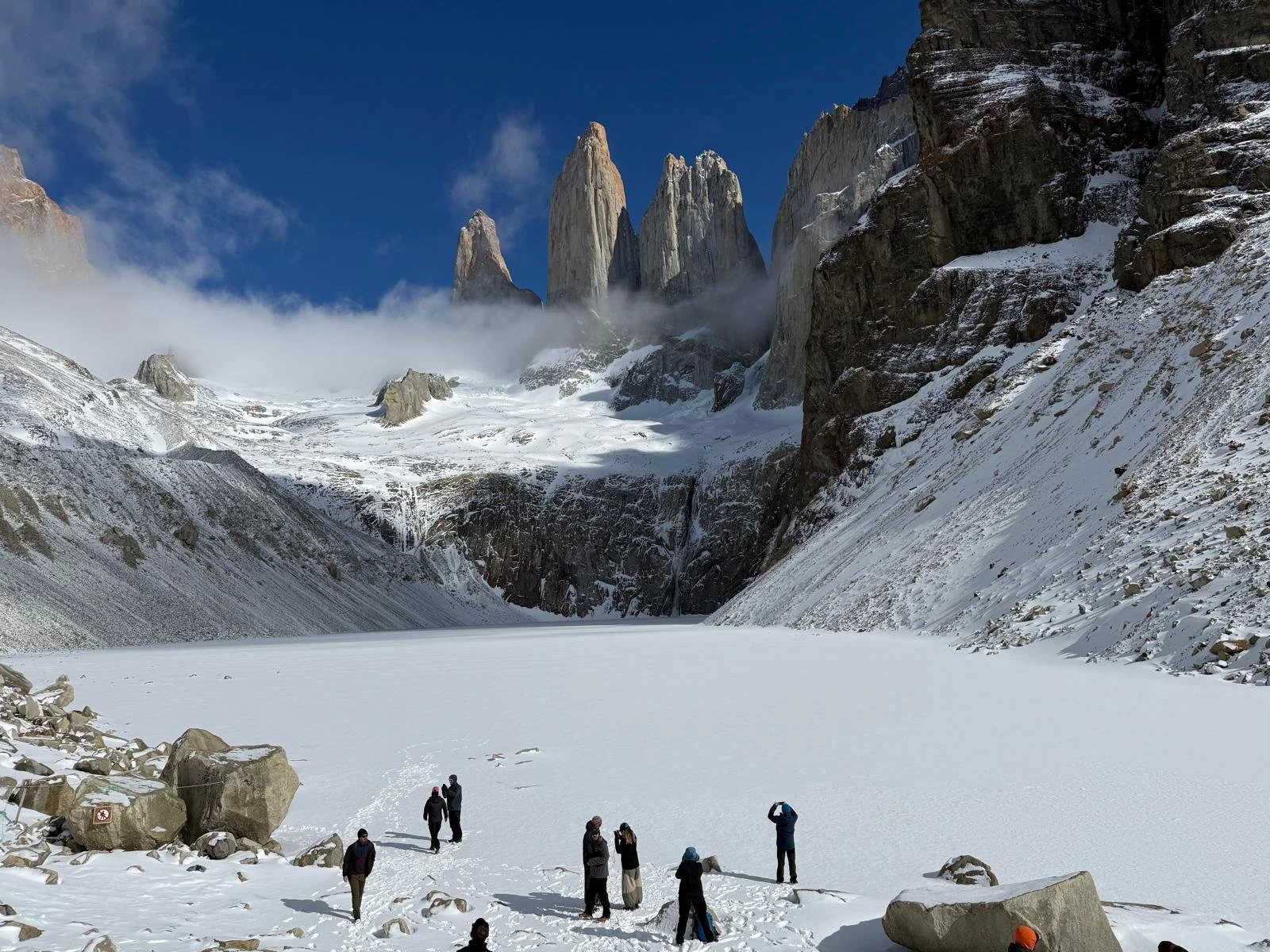
Base of the Towers - this was an intense day for these hikers. We were here in their early spring, so this is snow covered but in high season, no snow here!
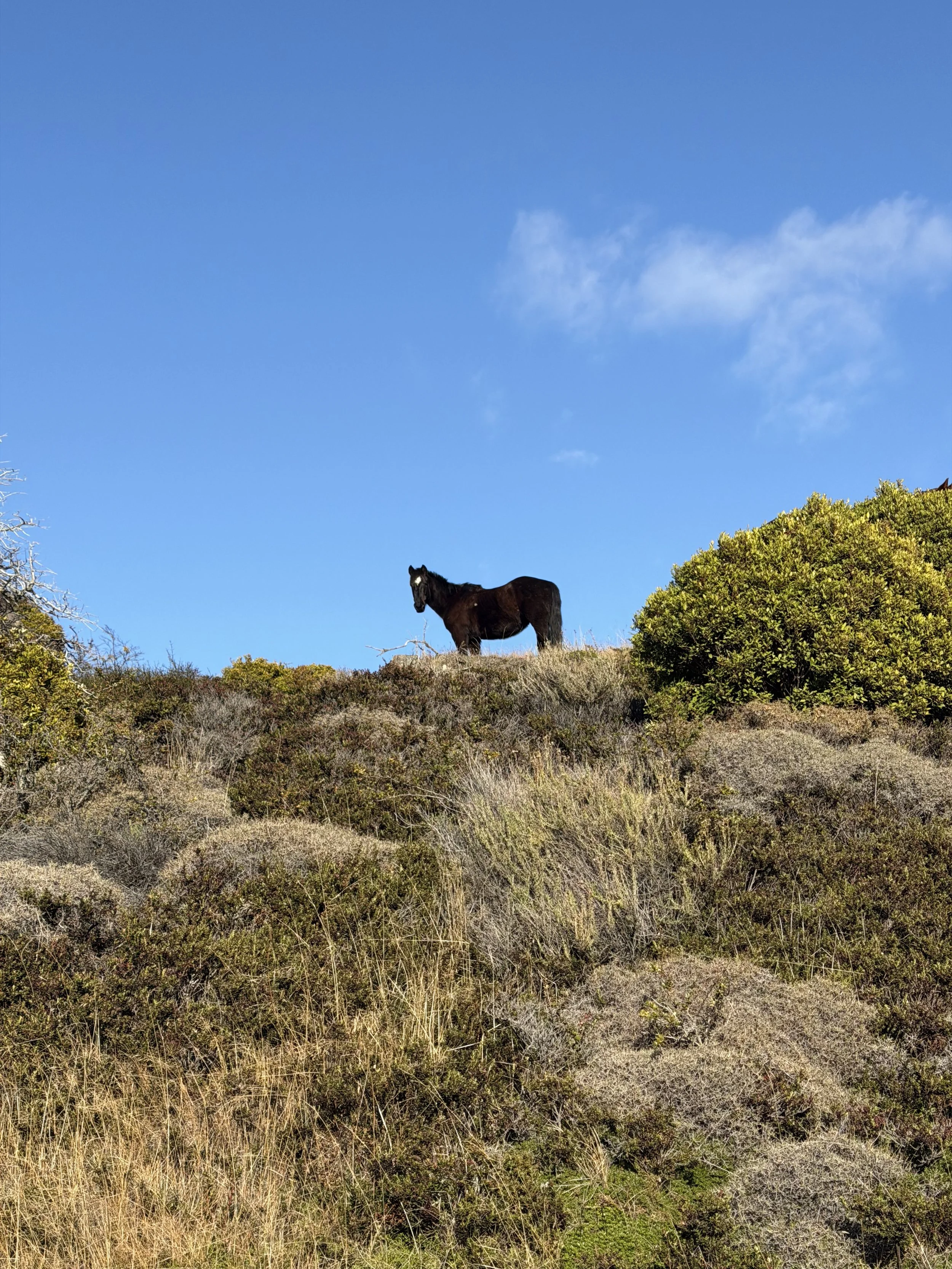
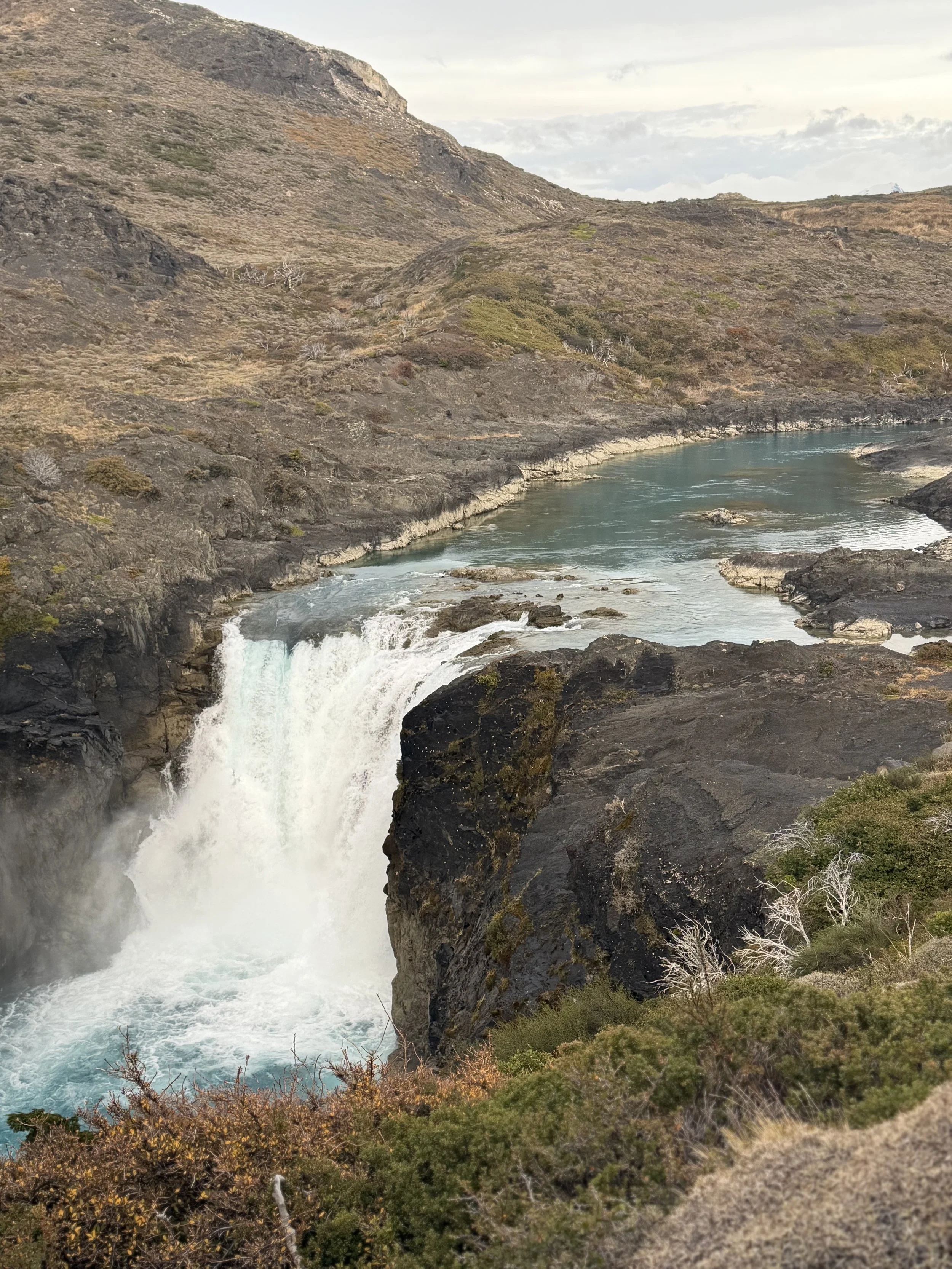
Our hikes took us past beautiful mountain scapes, impossibly blue lakes, soaring condors, grazing horses, and meandering guanacos. The only regional animal we didn't lay eyes on was the elusive puma, though on one hike we heard a guanaco scream in the distance, which meant a puma was on the hunt.
Grey Glacier
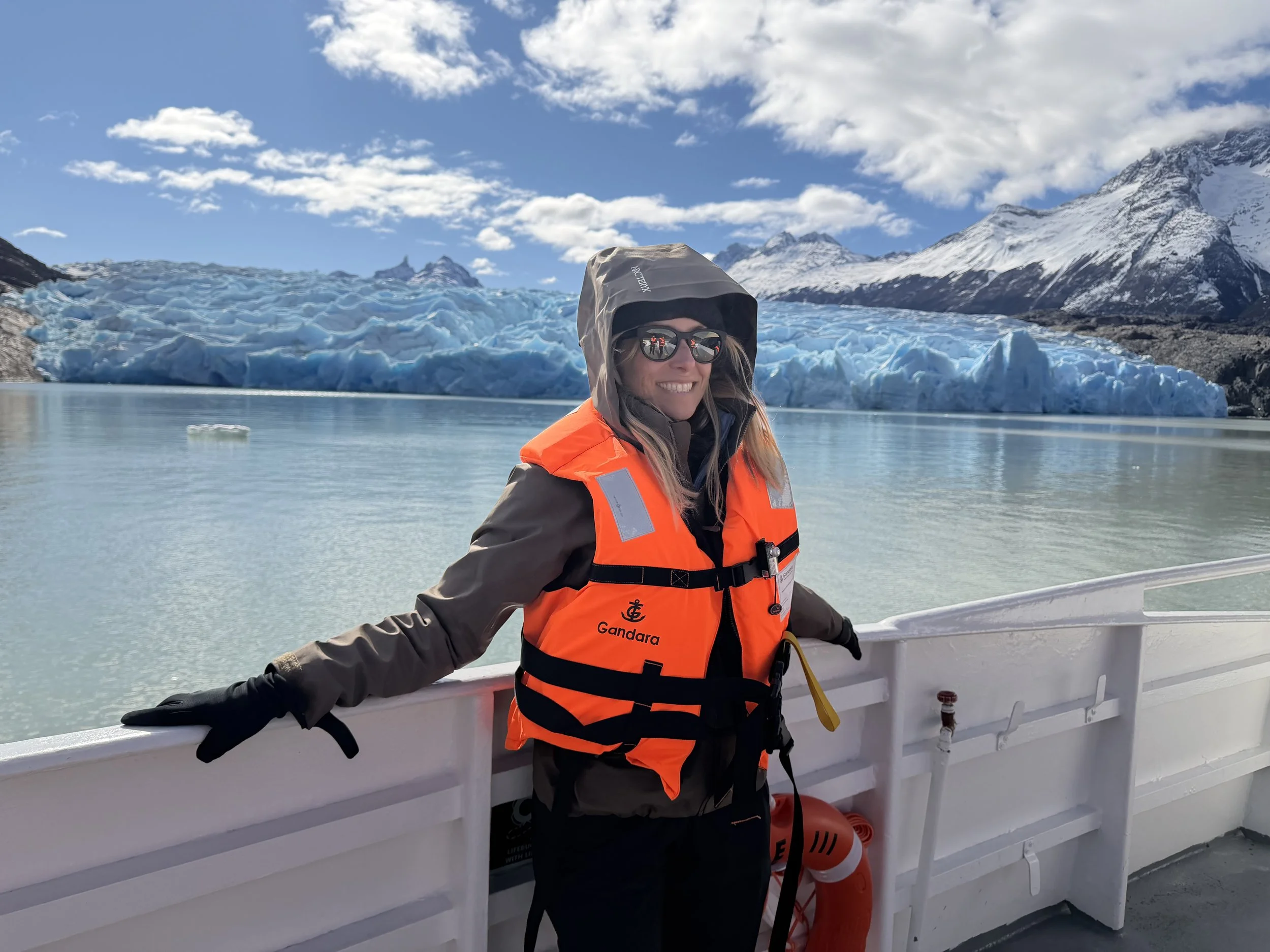
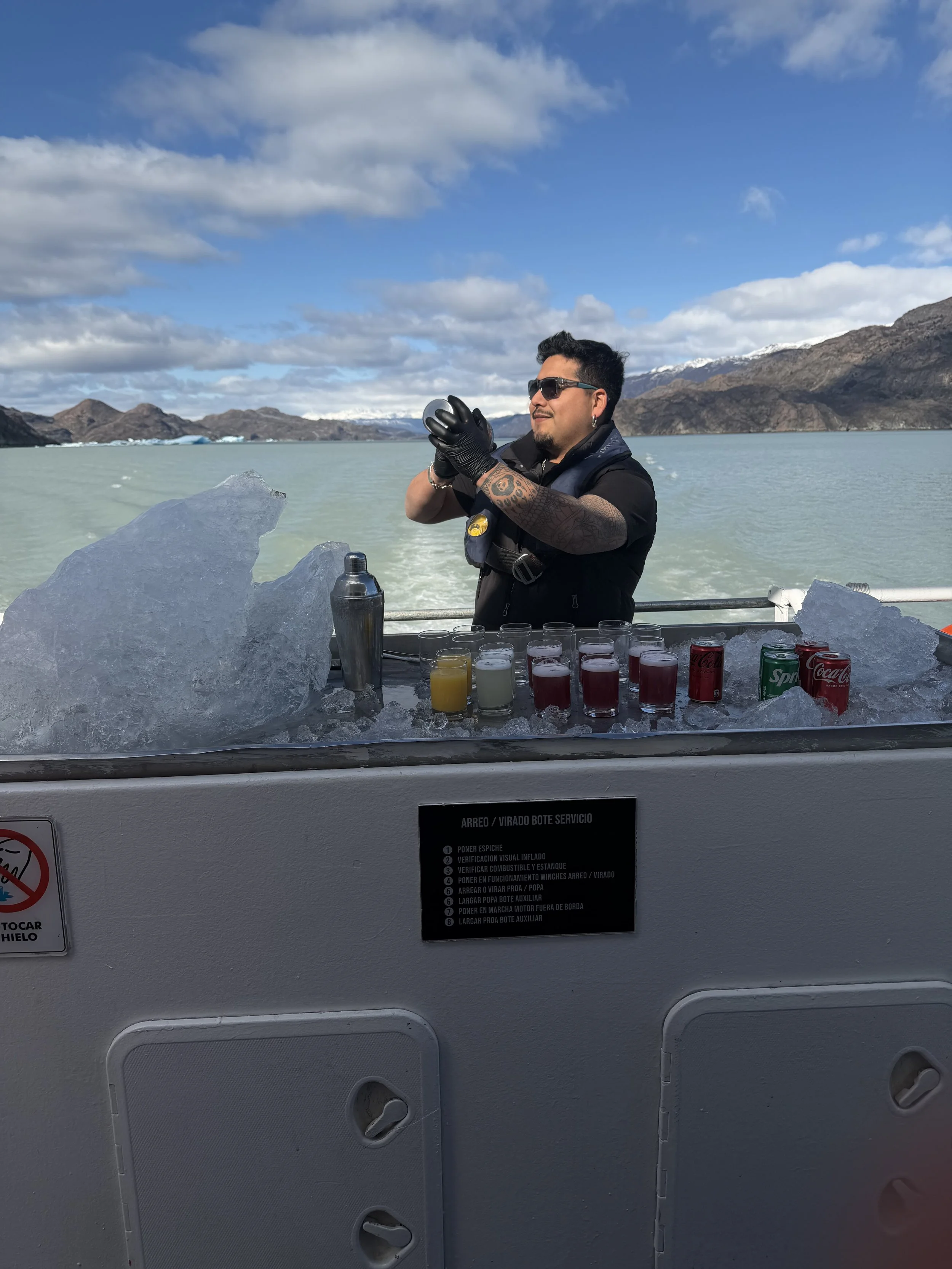
Remember Grey Glacier from the science lesson above? Seeing it in person was one of my most anticipated moments of the trip. We had planned a more challenging hike to a point where a boat would pick us up for the final stretch, but some logistics intervened, so we made the entire journey by boat instead. We sailed past a scattering of small icebergs, broken off from the glacier we were heading toward, until its face finally came into view. A display of nature that immense is hard to put into words, so I'm hoping the pictures do it justice.
On Horseback
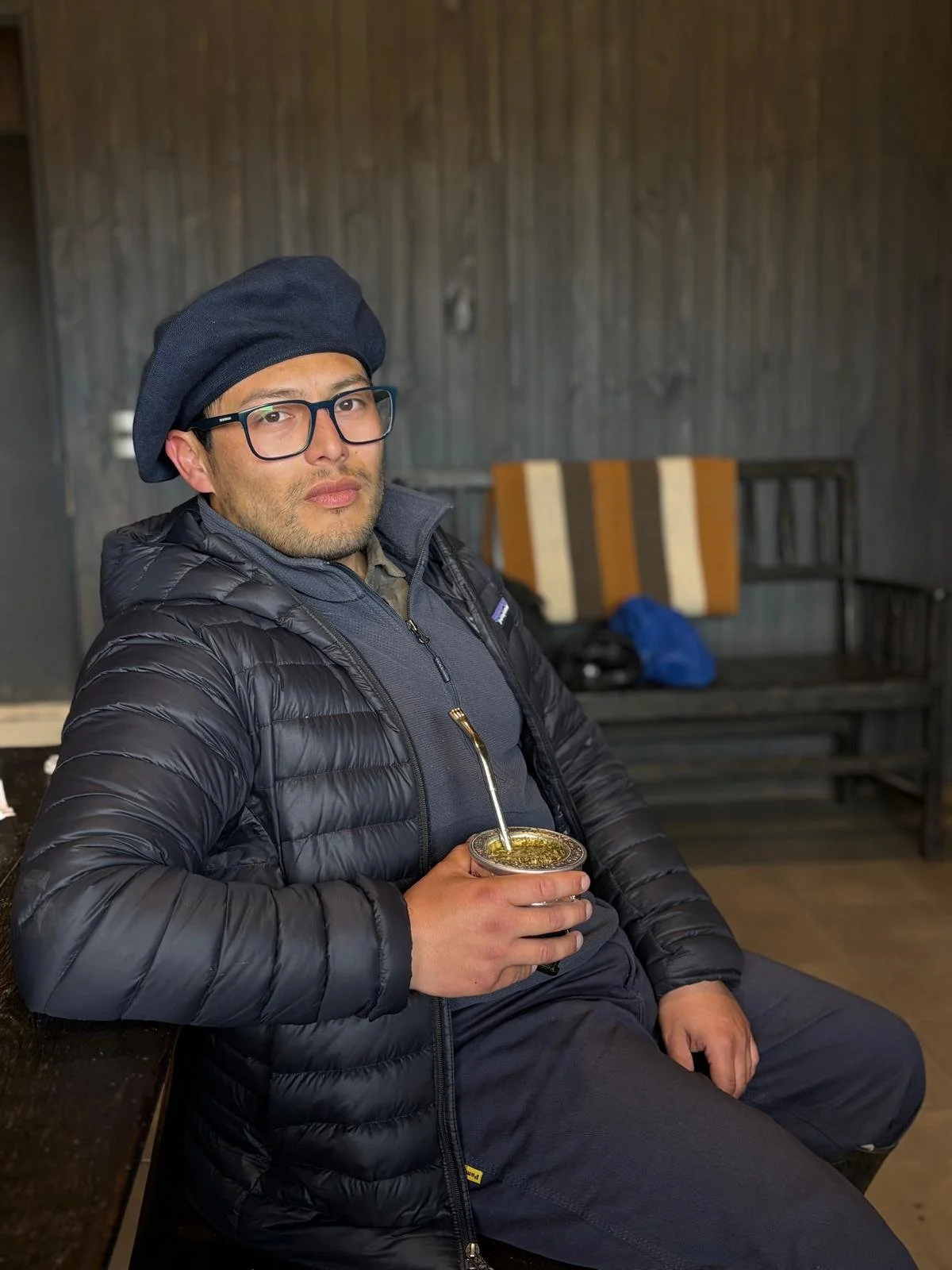
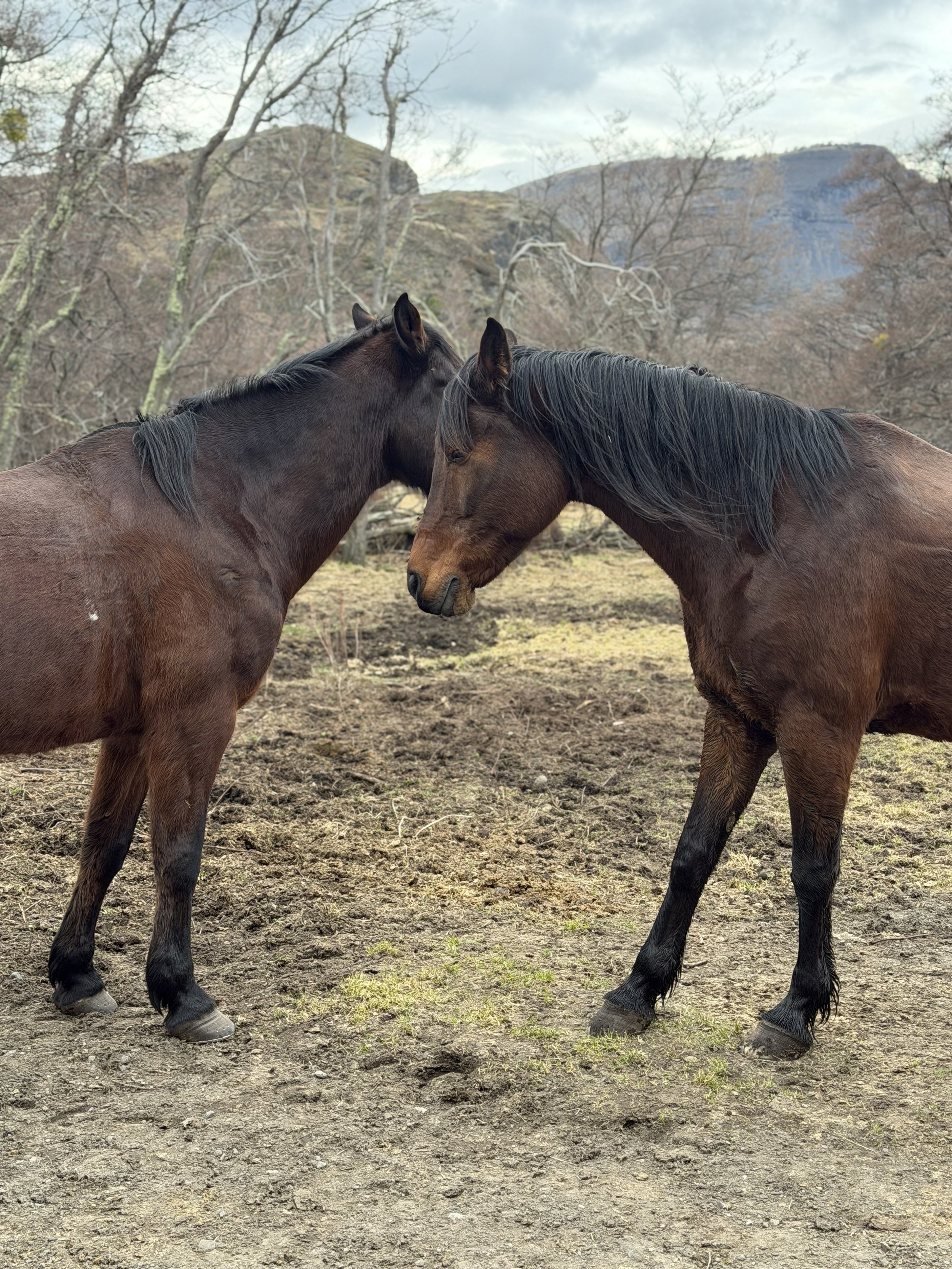
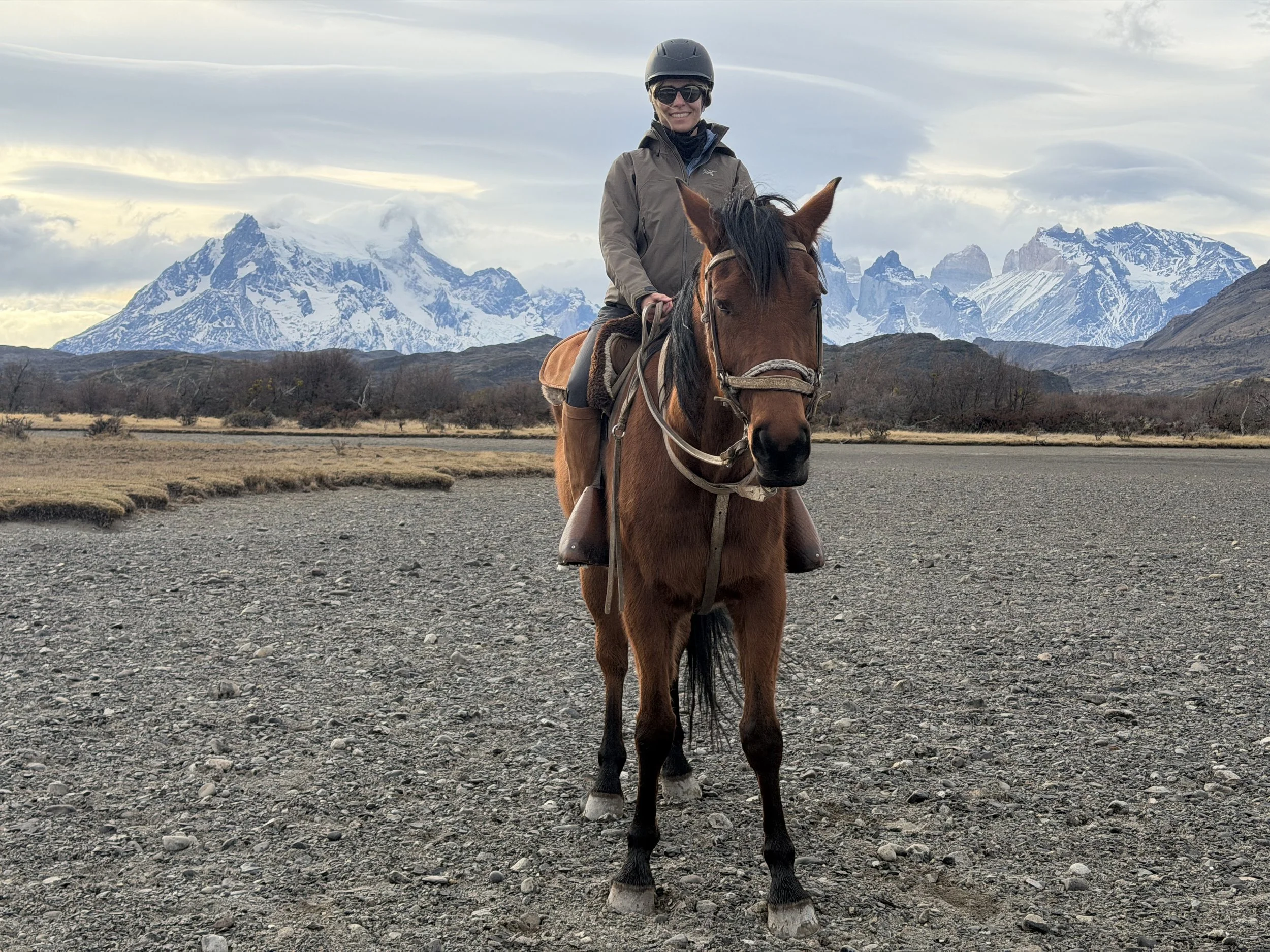
Horseback riding is another strong focus in Torres del Paine, with walk-only rides for beginners and plenty of walk-trot-canter options for advanced riders. The gaucho culture here is something special. These gauchos live and breathe horses, and their presence in the stable commands respect. If there's any question about someone's riding ability or what's allowed on a given ride, what the gaucho says GOES. It's absolute. After our ride, we were invited back to the stable for a traditional maté ceremony, the gaucho's version of high tea and the perfect way to warm up after a cold ride.
Our guide for the ride was one of the most fascinating humans I've ever met. Before guiding, he was the Rubik's Cube champion of Chile, then completed the Chilean version of midwife training, then decided to fully invest in his love of horses, which eventually led him to Explora.
Explora's Conservation Reserves
One more reason I came home such a fan of Explora is that conservation is a real focus for them. The company is building a network of permanently protected conservation reserves in South America, with a long-term goal of safeguarding one million hectares (roughly 2.5 million acres) of fragile wilderness. The flagship is the 14,800-acre Torres del Paine Conservation Reserve, which borders the national park and was created in partnership with The Nature Conservancy.
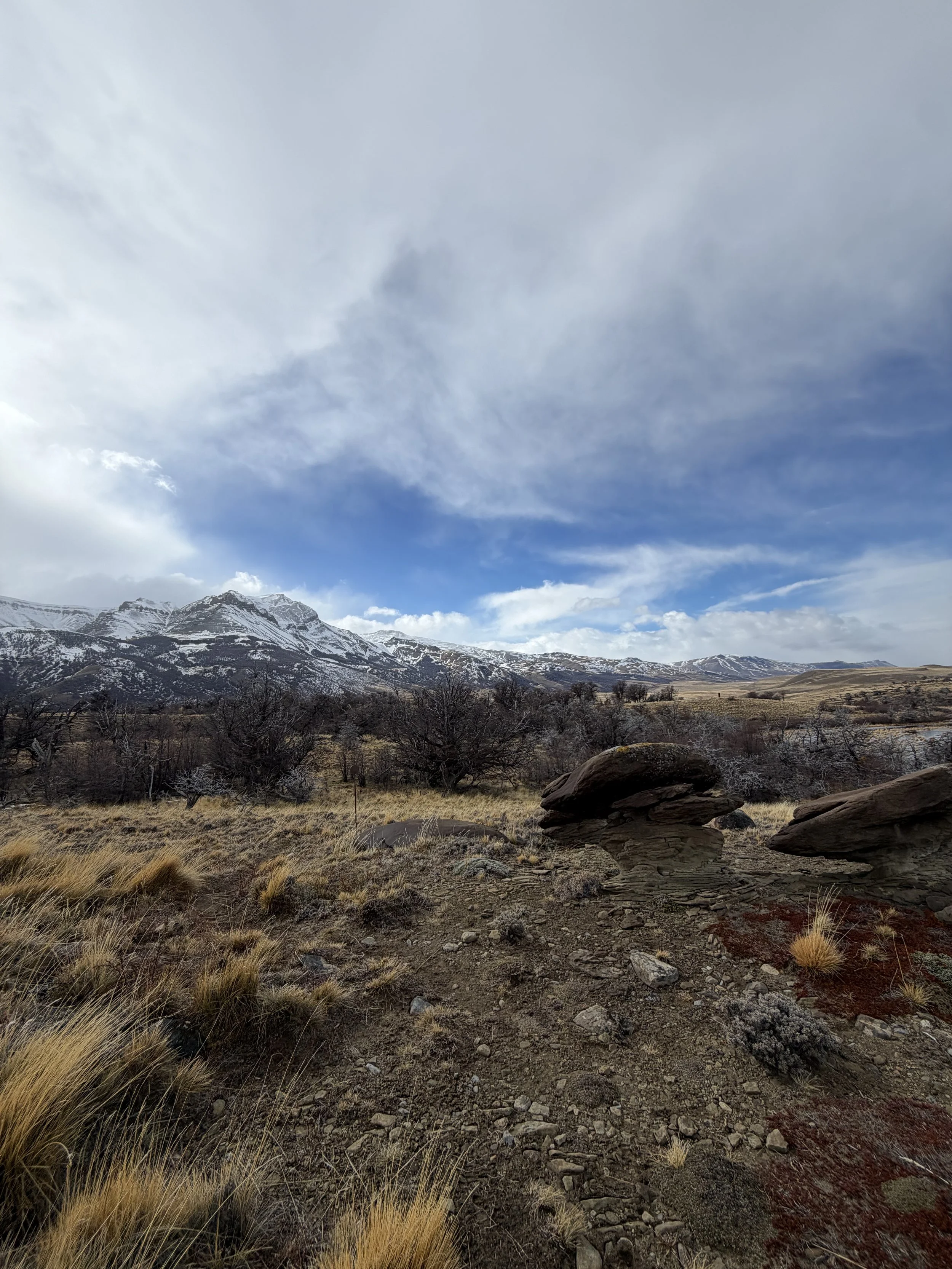
The land is legally protected forever, designed to pay for itself, and cared for by Explora's own park rangers, who are restoring native forest and monitoring the pumas, condors, and guanacos that live there. I spent an afternoon exploring the reserve on horseback, and I also got a peek at the new lodge under construction. It opens in December of this year, and it’s going to be extraordinary.
Good to Know
Altitude isn't an issue: Torres del Paine sits at low elevation. Coming from the Atacama at 8,000 feet, I felt the difference immediately. If altitude usually keeps you out of mountain destinations, this is your place.
Plan a night in Santiago: Flight schedules require an overnight in Santiago on the way to Torres del Paine, so build it into your plans. Santiago is very much worth a stop on its own, so this is not a bad thing.
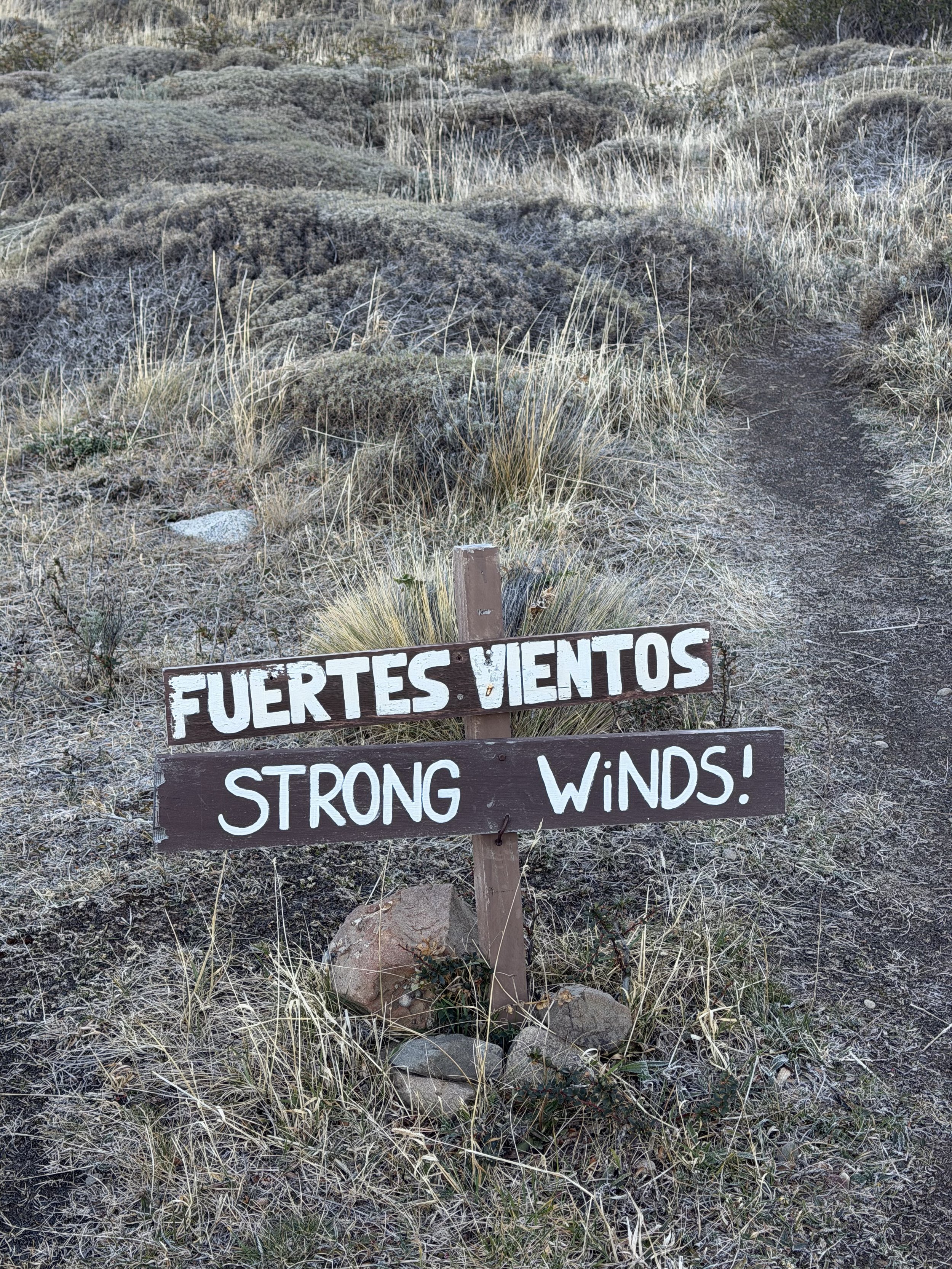
Best time to visit: Year-round, but each season is different. Winter (June–August) can be brutal, but it lacks the extreme wind of summer. Summer (December–February) brings the warmest temperatures, along with the crowds and lots of wind. As with the Atacama, spring and fall are fantastic: fewer crowds, more reasonable rates, and with the right gear, you'll be ready for whatever weather comes your way.
Length of stay: Four nights minimum. Chances are high that weather will disrupt your plans at least one day, and this is not a place you want to cut short.
Connectivity: WiFi is great at the lodge, but as in the Atacama, you'll likely lose cell service on many explorations.
Investment: Also as with the Atacama, this isn't a budget stop. Rates include all meals, explorations, and airport transfers; spa and gratuities are additional. While not inexpensive, I believe the rates carry significant value for the experience.
Think ahead: This is arguably Explora's best-known lodge, and it's consistently busy. Plan well in advance.
Food: I LOVED the food. Try the sopapillas and thank me later.